Lighting is one of the easiest places to start reducing your home’s energy use. Depending on the source, lighting accounts for about 15% to 20% of an average home’s electricity consumption. That means small changes in how you light your rooms can lead to noticeable savings on your monthly bills. The following tips cover bulb choices, lighting controls, natural light, and fixture upgrades. Each suggestion is practical and something you can begin today.
Start with LED Bulbs
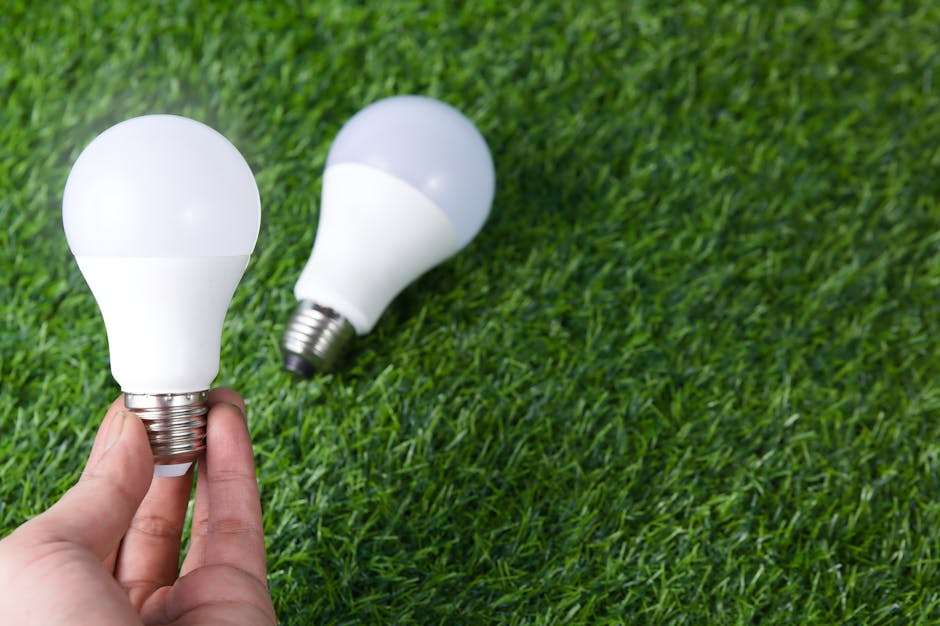
The single most effective step you can take is replacing old incandescent bulbs with light-emitting diode (LED) bulbs. LEDs use up to 90% less energy than traditional incandescent bulbs and can last up to 25 times longer. Other sources note that LEDs use nearly 75% less energy and last more than 15 times longer. Either way, the savings are substantial. The average household saves about $225 per year in energy costs by switching to LED lighting.
LEDs also stay cool to the touch, unlike older bulbs, which makes them safer for enclosed fixtures and reduces the load on air conditioning in warmer months. Though LEDs cost more upfront, they pay for themselves over time through lower electric bills and fewer replacements.
Understand Lumens and Color Temperature
When shopping for LED bulbs, pay attention to lumens rather than watts. Lumens measure brightness. A good all-purpose bulb puts out about 800 lumens, which is roughly equivalent to a 60-watt incandescent bulb. For reading or task areas, you may want a brighter bulb with more lumens.
Color temperature is shown in Kelvin (K). A warm or soft white light is around 2700K and creates a cozy feel for living rooms and bedrooms. A cool white light near 5000K gives a crisper, more energizing light suitable for kitchens, bathrooms, and workspaces. Check the bulb packaging for the Kelvin rating to get the look you want.
Look for the ENERGY STAR Label
ENERGY STAR certified bulbs meet strict efficiency guidelines set by the U.S. Environmental Protection Agency. These bulbs have a lifespan of at least 15,000 hours, which is about 13 years of typical use. Choosing ENERGY STAR bulbs ensures you are getting a product that will deliver the promised energy savings and durability.
Consider the Long-Term Savings
The Lighting Facts label on bulb packaging gives you key information: lumens (brightness), estimated yearly energy cost, bulb life, and light appearance. Use this label to compare products. While an ENERGY STAR LED may cost a few dollars more than a standard bulb, the longer life and lower energy use more than make up for the initial price. Over the life of one bulb, you can save many times its purchase price.
Use Lighting Controls to Reduce Energy Use
Switching to LED bulbs is a big step, but you can save even more by controlling when and how brightly your lights operate. The U.S. Department of Energy confirms that using timers and dimmers saves electricity by turning lights off when not needed or by lowering light levels.
Install Dimmer Switches
Dimmers let you adjust the brightness of a room to match your activity or mood. Running a bulb at a lower level uses less energy and extends the bulb’s life. For this to work safely, you need dimmer-compatible LED bulbs. Not all LEDs are dimmable, so check the packaging. A professional electrician can install dimmer switches in place of standard switches, giving you precise control over your lighting.
Use Timers and Motion Sensors for Outdoors
Outdoor fixtures equipped with automatic daylight shut-off and motion sensors save energy by ensuring lights are on only when needed. Motion sensors are especially useful for security lighting, illuminating pathways or driveways when someone approaches, then turning off after a set time. Solar-powered LED outdoor lighting is also available for pathway lights, step lights, and porch lights. These lights use solar panels to convert sunlight into electricity, eliminating traditional electricity use entirely.
Try Smart Lighting for Convenience and Savings
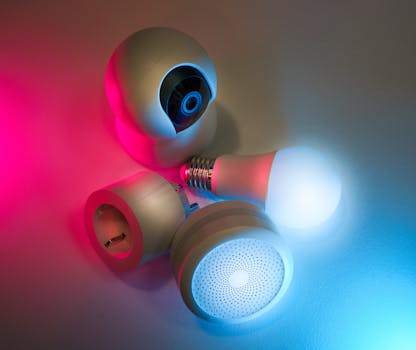
Smart lights allow remote control and scheduling through a smartphone app. You can turn off lights you accidentally left on, set lights to turn on at dusk, or create routines that match your daily schedule. This reduces wasted energy from lights burning when no one is home. Many smart bulbs also offer dimming and color temperature adjustments. For a whole-home system, consider having a professional electrician integrate smart controls into your wiring.
Let Natural Light Do the Work
One of the simplest tips is to make the most of natural light during the day. Open curtains and blinds to let sunlight brighten your rooms. This reduces the need for artificial lighting, cutting your energy use at no cost. If privacy or glare is a concern, consider sheer curtains or light-filtering shades that soften daylight while still providing illumination.
Upgrade to Energy Efficient Fixtures
Beyond bulbs, the fixtures themselves play a role in energy use. Installing ENERGY STAR certified fixtures can boost efficiency. Some fixtures are designed to direct light more effectively, meaning you need fewer bulbs to achieve the same brightness.
Undercabinet Lighting for Kitchens
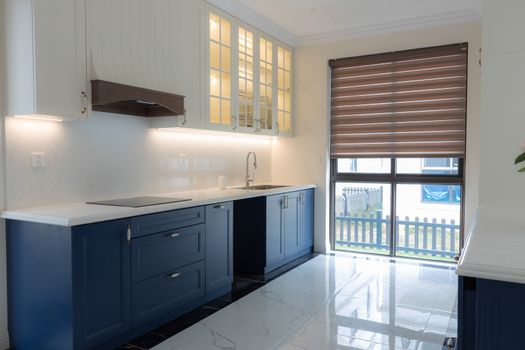
Kitchens often suffer from shadows caused by overhead lights and upper cabinets. Undercabinet lighting solves this by placing LED strips or puck lights beneath cabinets to illuminate countertops. This targeted lighting lets you work with brighter task light while dimming or turning off general overhead lights. The result is a more comfortable and energy efficient workspace. An electrician can hardwire undercabinet lighting for a clean, professional look.
Recessed Lighting and Ceiling Fans
Recessed lights, often called can lights, can be fitted with LED trims that are highly efficient. Pairing recessed lights with dimmers gives you flexible control over room brightness. Ceiling fans with built-in LED light kits are another smart upgrade, combining air circulation with efficient lighting in one fixture.
Know When to Call a Professional Electrician
Many energy efficient lighting upgrades are simple enough to do yourself, like replacing bulbs or plugging in undercabinet lights. However, some projects require an electrical contractor. Installing new dimmer switches, adding hardwired undercabinet lighting, integrating smart home controls, or upgrading outdoor fixtures with motion sensors all involve wiring work. A licensed electrician ensures the job is done safely and up to code. If you are planning a new build or renovation, consult an electrician early to incorporate energy efficient lighting into the design.
501 Electric specializes in new construction wiring, custom lighting design, and smart home installations. Whether you need undercabinet lighting for a kitchen remodel or a whole-home smart lighting system, a professional installation gives you reliable, long-lasting results that maximize your energy savings.
Frequently Asked Questions
How much can I save by switching to LED bulbs?
On average, a household saves about $225 per year in energy costs by switching to LED lighting. Exact savings depend on how many bulbs you replace, how often they are used, and your local electricity rate. The U.S. Department of Energy estimates that an LED bulb can save roughly $7 per year compared to an incandescent bulb of similar brightness.
What is the difference between lumens and watts?
Lumens measure the total amount of visible light a bulb produces, while watts measure the energy it consumes. With LEDs, you get more light per watt. A good all-purpose bulb produces about 800 lumens, which is similar to a 60-watt incandescent. When shopping for LEDs, look for lumens, not watts, to ensure you get the brightness you want.
Can I use dimmers with any LED bulb?
No. Only dimmer-compatible LED bulbs work safely with dimmer switches. Standard non-dimmable LEDs may flicker, buzz, or fail prematurely when used with a dimmer. Check the packaging for a dimmable label. For best results, pair dimmable LEDs with a dimmer switch that is specifically designed for LED loads. A professional electrician can help you select compatible products.
Are smart lights worth the extra cost?
Smart lights offer convenience and energy savings by allowing you to control lighting remotely, set schedules, and avoid leaving lights on unnecessarily. While they cost more than standard LED bulbs, the ability to fine-tune usage can lower your energy bills further. They are especially valuable for households that frequently forget to turn off lights or want automated home security lighting.
Do outdoor solar lights really work?
Solar-powered LED lights can be effective for pathway, step, and porch lighting when placed where they receive direct sunlight during the day. They use solar panels to convert sunlight into electricity, requiring no wiring and no ongoing electricity cost. Performance depends on sun exposure, local weather, and battery quality. For areas with limited sunlight, hardwired or motion-activated LED fixtures may be a more reliable choice.
Taking a few simple steps to improve your home’s lighting efficiency can lower your electric bills and make your home more comfortable. Start with LED bulbs, add controls like dimmers and timers, and let natural light help during the day. For more involved upgrades, trust a professional electrician to ensure safe, high-quality installation that delivers lasting energy savings.
Leave a Reply